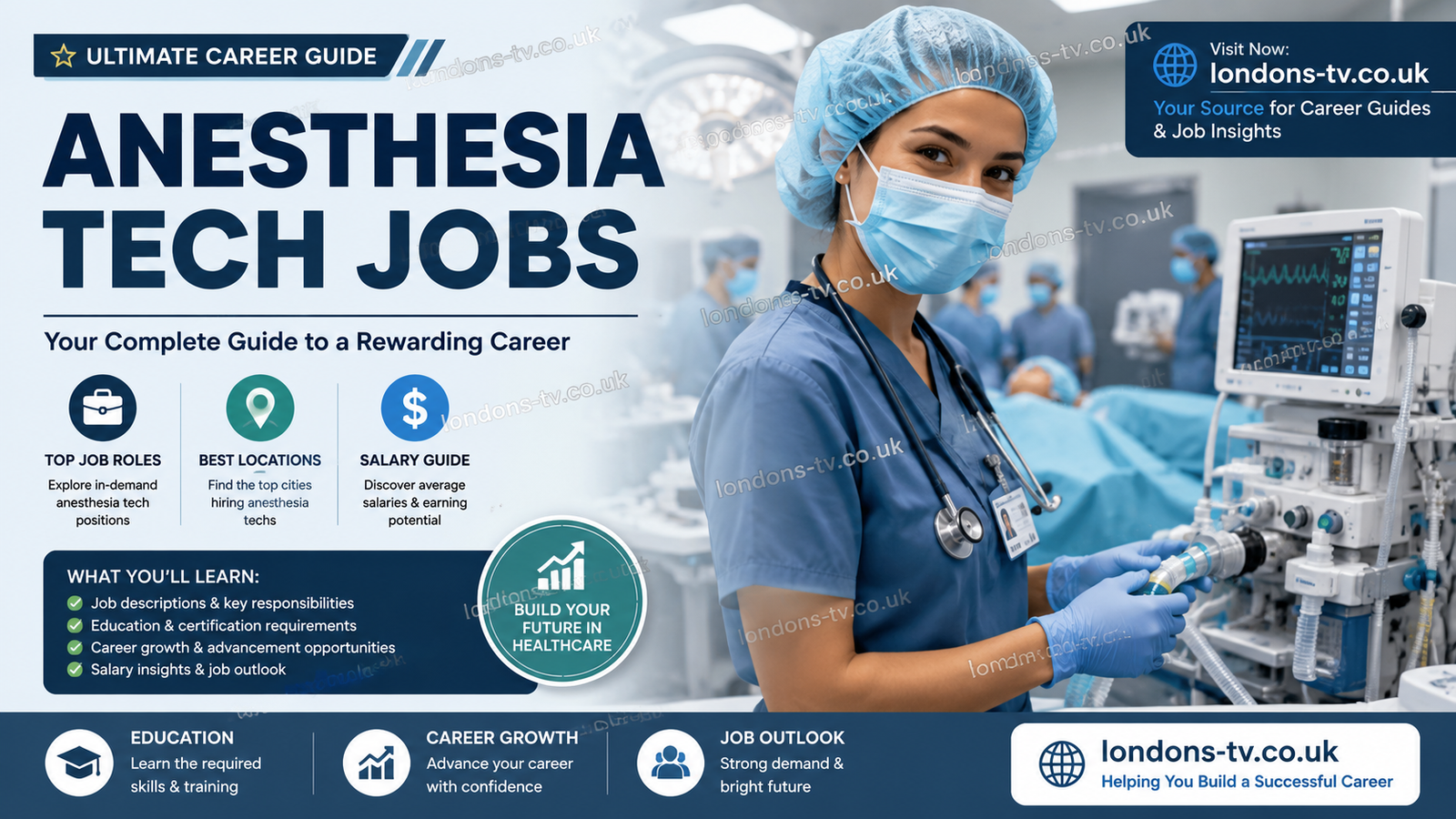
Have you ever wondered who keeps the operating room running safely before a patient goes to sleep? Meet the anesthesia technologist. These vital healthcare heroes work right alongside doctors and nurses to prepare life-saving equipment and medicines. If you want a meaningful medical career that skips years of medical school, looking into anesthesia tech jobs could be your perfect next move. The healthcare field is growing fast, and hospitals everywhere desperately need these skilled hands.
Entering this profession opens up amazing paths for your life. You can choose to plant roots at a local community hospital or take your skills on the road to see the country. This guide breaks down everything you need to know about finding the best employment options. We will look at hot job markets, breakdown your earning potential, and give you clear steps to start your journey today.
What Does an Anesthesia Tech Do Daily?
An anesthesia technologist has a highly dynamic and important role inside the surgical department. Your main goal is to support the anesthesia provider, such as an anesthesiologist or a nurse anesthetist. Before any surgery starts, you are the person who sets up the complex anesthesia gas machines. You verify that all the breathing circuits are clean, calibrated, and working perfectly.
During surgeries, you are right there in the room helping out. You might hand the doctor advanced airway equipment during a difficult intubation or help set up invasive lines to monitor a patient’s blood pressure. Once the surgery finishes, you safely break down the equipment, clean the tools, and stock the room for the next emergency. It is a fast-paced environment where your attention to detail keeps patients safe while they are most vulnerable.
Why Demand for These Healthcare Roles is Skyrocketing
The medical industry is changing rapidly, causing a massive surge in anesthesia tech jobs. One major reason is our aging population. As baby boomers grow older, they require more surgical interventions, ranging from routine knee replacements to complex heart surgeries. More surgeries mean that operating rooms must run efficiently, and hospitals cannot do that without plenty of certified tech staff on hand.
Additionally, surgical technology is becoming much more complex. Modern anesthesia setups involve intricate computers, advanced ultrasound tools, and delicate fiberoptic cameras. Doctors need specialized technical experts who know how to troubleshoot these machines in a split second. Because of this highly specific skill set, hospitals are offering great pay and excellent benefits to attract top talent to their teams.
How to Find Anesthesia Tech Jobs Near Me
If you want to start working close to home, searching for anesthesia tech jobs near me is the best way to scan local openings. Start your hunt by visiting the direct career portals of large healthcare networks, trauma centers, and outpatient surgical clinics in your area. Many times, these facilities post openings directly on their own websites before sharing them on massive public job boards.
To supercharge your local search, use popular employment websites like Indeed, LinkedIn, and ZipRecruiter. Set up automated email alerts using specific keywords like “certified anesthesia technologist” or “OR anesthesia support.” Don’t forget to look at local orthopedic or endoscopy centers too. These smaller, private clinics often offer highly predictable daytime hours without the stressful overnight or weekend on-call shifts required by major hospitals.
The Exciting World of Travel Anesthesia Tech Jobs
If you have a sense of adventure, you should consider travel anesthesia tech jobs. Medical staffing agencies hire experienced professionals to fill short-term staffing gaps at hospitals all across the country. These travel contracts typically last for 13 weeks, giving you the unique freedom to experience new cities without committing to living there forever.
The financial rewards for traveling are incredibly attractive. Traveling techs usually earn significantly more money per week than permanent hospital staff. Agencies also provide tax-free housing stipends, travel reimbursements, and comprehensive medical insurance from day one. It is a fantastic way to build up a massive resume by working in legendary teaching hospitals while getting paid to see the United States.
Exploring Anesthesia Tech Jobs San Antonio
Texas is a massive hotspot for medical employment, and looking for anesthesia tech jobs san antonio reveals a booming market. San Antonio features a massive, world-class medical sector centered around the South Texas Medical Center district. This sprawling area is packed with huge hospitals, military medical facilities, and research centers that are constantly searching for skilled surgical support staff.
Major employers in the region include University Health, Methodist Healthcare, and the Baptist Health System. Because San Antonio is home to Brooke Army Medical Center, a legendary Level 1 trauma hub, techs here often get unmatched experience handling complex, high-stakes emergency cases. Plus, living in San Antonio offers a wonderful blend of rich culture, amazing food, and a very affordable cost of living compared to other big cities.
Career Growth with Anesthesia Tech Jobs Houston
Moving slightly east, checking out anesthesia tech jobs houston places you directly inside the largest medical complex on earth. The famous Texas Medical Center in Houston employs over 100,000 healthcare workers across dozens of hospitals. For an anesthesia technologist, this environment provides an unparalleled platform for rapid career growth and professional development.
In Houston, you could find yourself working at world-renowned facilities like Houston Methodist, Memorial Hermann, or the MD Anderson Cancer Center. Because these institutions handle cutting-edge surgeries and experimental procedures, you will learn how to operate the newest medical gear on the market. The high density of hospitals also sparks fierce competition for talent, resulting in highly competitive salaries, sign-on bonuses, and robust tuition assistance programs.
Opportunities for Anesthesia Tech Jobs Atlanta
If you prefer the charm of the American Southeast, searching for anesthesia tech jobs atlanta is another spectacular path. Atlanta is a bustling metropolitan hub with a rapidly expanding population, creating an immediate need for additional healthcare services. The city’s medical networks are growing fast to keep pace, creating numerous stable job openings in operating rooms across the region.
When you look for work in Atlanta, major systems like Emory Healthcare, Piedmont Healthcare, and Wellstar will be your main targets. If you enjoy pediatric medicine, Children’s Healthcare of Atlanta is one of the top-rated kids’ hospitals in the nation and offers specialized roles for anesthesia techs. Atlanta provides an incredible quality of life, featuring beautiful green spaces, a legendary music scene, and a strong professional community.
Complete Overview of Anesthesia Tech Career Pathways
To help you visualize your options, we compiled a detailing table showing what you can expect from anesthesia tech jobs in various regions and specialties:
| Job Type & Location | Average Weekly / Annual Pay | Required Experience | Key Benefits & Perks |
| Local Full-Time (San Antonio, TX) | $48,000 – $58,000 / year | 0 – 2 years (Entry-friendly) | Strong job stability, local retirement matching, paid time off |
| Major Medical Hub (Houston, TX) | $55,000 – $72,000 / year | 1 – 3 years preferred | Cutting-edge clinical exposure, tuition help, shift differentials |
| Metropolitan Metro (Atlanta, GA) | $52,000 – $68,000 / year | 1 – 2 years | Excellent health networks, diverse patient care, relocation bonuses |
| Travel Contracts (Nationwide USA) | $1,300 – $2,100 / week | 1 – 2 years hospital experience | Tax-free housing stipends, free travel, high weekly income |
Essential Education and Certification Steps
Becoming eligible for top-tier anesthesia tech jobs requires following a specific educational roadmap. While some hospitals historically trained technicians on the job, modern employers strongly prefer formal education. Most aspiring pros enroll in a two-year Associate Degree program in Anesthesia Technology that is fully accredited by CAAHEP. These programs combine traditional classroom learning with hundreds of hours of hands-on practice inside real operating rooms.
After finishing your college degree, your next step is to conquer the National Certification Examination hosted by ASATT. Passing this comprehensive exam earns you the title of Certified Anesthesia Technologist (Cer.A.T.T.). Holding this national credential immediately proves your clinical skills to employers, unlocks significantly higher pay rates, and makes you a highly competitive candidate anywhere you apply.
Expert Tips for Acing Your Healthcare Job Interview
Once you land an interview for one of the many available anesthesia tech jobs, preparation is your key to success. Remember that managers want to hire someone who is calm under
intense pressure. During your interview, tell clear stories about times you anticipated a doctor’s needs or solved a technical problem with a machine during a stressful situation.
Always emphasize your absolute dedication to patient safety and sterile infection control standards. Show the hiring team that you are a positive, reliable team player who communicates clearly with coworkers during hectic shifts. Bringing a organized portfolio that displays your current ASATT certification, a valid BLS/ACLS card, and glowing letters of recommendation from clinical supervisors will make a fantastic impression.
Conclusion
Choosing to pursue anesthesia tech jobs is an investment in a stable, rewarding, and highly respected medical career. Whether you choose the adventurous path of travel anesthesia tech jobs or decide to serve patients locally in your home town, your work will directly save lives every single day.
The mix of technical mechanics and meaningful patient interaction makes this profession incredibly unique. If you love science, enjoy fixing things, and want to work directly in the heart of the hospital, take action today. Look into local community college programs, update your resume, and start exploring the incredible job opportunities waiting for you in this booming healthcare field!
Frequently Asked Questions
What is the difference between an anesthesia technician and a technologist?
An anesthesia technician typically holds a basic certificate and handles fundamental tasks like cleaning gear and stocking supplies. An anesthesia technologist completes an advanced associate degree and undergoes rigorous clinical training. This extra education allows technologists to assist with complex, invasive monitoring procedures and troubleshoot highly advanced machinery during surgery.
Can I get travel anesthesia tech jobs right after graduating?
Most medical staffing agencies require you to have at least one to two years of continuous, full-time hospital experience before you can sign up for travel contracts. This rule exists because travel techs must jump into a brand-new operating room and work independently on day one without any training or hand-holding from the local hospital staff.
Are there any specific physical requirements for these roles?
Yes, these jobs require a good amount of physical stamina. You will spend the majority of your long shift standing up, walking quickly between operating rooms, and moving heavy pieces of medical equipment. You also need good manual dexterity to handle delicate tubes and syringes quickly, along with the physical strength to safely help transfer sedated patients onto rolling hospital gurneys.
How often do I need to renew my tech certification?
To keep your certified status active with the American Society of Anesthesia Technologists and Technicians (ASATT), you must renew your credentials every two years. During each two-year cycle, you need to earn a specific number of continuing education credits by attending medical seminars, completing online courses, or participating in healthcare workshops.
What shifts do anesthesia technologists typically work?
Hospitals operate 24 hours a day, so there are many different shift options available to fit your lifestyle. You can find traditional eight-hour day shifts, power-packed twelve-hour shifts, or dedicated overnight positions. Keep in mind that permanent hospital roles usually require participating in a rotating schedule for weekend, holiday, and overnight emergency on-call coverage.
Is the certification exam difficult to pass?
The national board exam is challenging because it checks your knowledge across anatomy, pharmacology, physics, and advanced medical equipment troubleshooting. However, if you graduate from an accredited program and utilize the official ASATT study guides and practice tests, you will be highly prepared to pass the test and earn your credentials on your first attempt.