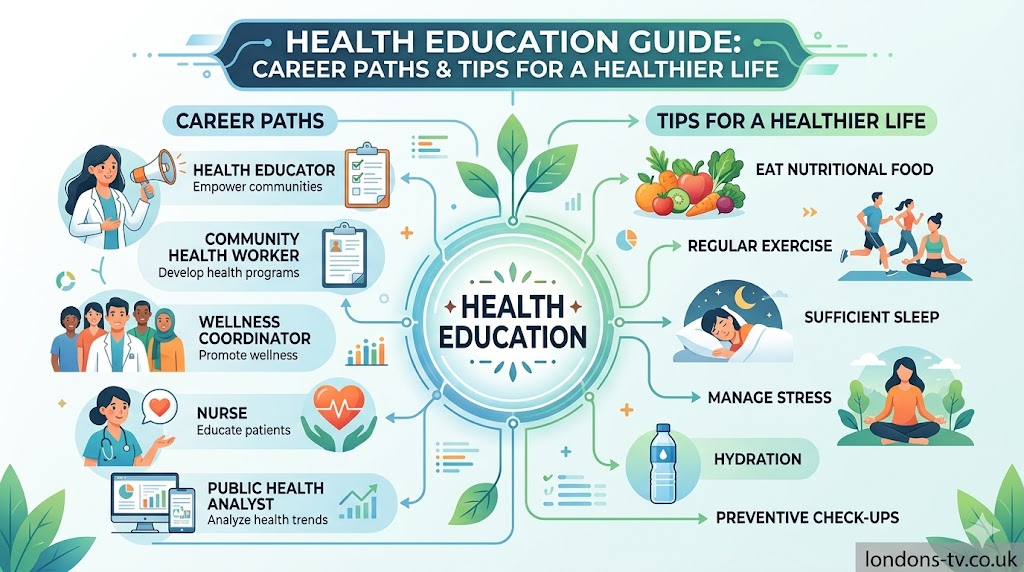
Do you want to live a longer, happier life? The secret often starts with health education. This is the process of learning how to take care of your body and mind. By understanding how to stay well, you can avoid sickness and make smarter choices every single day. Whether you are a student, a parent, or someone looking for a new path, health education is a tool that helps everyone. It gives you the power to understand medical info, eat better, and stay active. When we prioritize health education, we build stronger, healthier communities for everyone to enjoy.
What Exactly Is Health Education?
At its core, health education is about sharing knowledge. It helps people understand how to improve their well-being. It is not just about doctors telling you what to do. Instead, it is about giving you the right information to make your own healthy decisions. When you have good health education, you can better understand your own body. This leads to fewer visits to the hospital and a better quality of life. It covers everything from eating healthy foods to knowing when to see a professional for help.
Why Is Health Education Important?
Health education is vital because it stops problems before they start. By teaching people how to prevent diseases, we save lives. It helps communities fight issues like obesity, smoking, and stress. When people have access to health education, they learn to read labels, understand risks, and handle medical instructions. This is often called “health literacy.” If you are well-informed, you can communicate better with your doctor. This leads to much better results for your personal health journey every single year.
Starting Your Path: Center for Allied Health Education
If you want to turn this passion into a job, look at the center for allied health education. This school is a great place to start your professional journey. At a center for allied health education, you can learn specialized skills like medical imaging or emergency care. They focus on hands-on training, which is very important. You don’t just sit in a classroom all day. You get to work in real labs and clinics. A center for allied health education helps you build the confidence needed to succeed in a busy medical world.
Exploring Exciting Health Education Jobs
There are so many health education jobs waiting for the right people. You could work in a big hospital, a local community center, or even a large office. Many people who love health education choose to become specialists. These professionals plan programs that teach others how to stay fit or manage conditions like diabetes. Other health education jobs include working as a wellness consultant or a public health coordinator. These roles are very rewarding because you get to help people directly every single day.
How to Qualify for Health Education Jobs
To get one of the many health education jobs available, you usually need the right training. Most employers look for a bachelor’s degree in health or a related field. Some of the best health education jobs might also require a master’s degree. You might also need a special license or certification to show you are an expert. Don’t worry, though! Many people start with smaller roles and gain experience over time. By staying curious and learning new things, you can climb the ladder in this field.
The Role of Schools in Health Education
Schools are perfect places for health education. When kids learn about nutrition and exercise early, they keep those habits for life. Teachers and coaches act as mentors, showing students that being healthy is cool and fun. Good health education in schools also helps kids deal with mental health and stress. This sets them up for a brighter, more successful future. It is not just about gym class; it is about learning how to be the best version of yourself throughout your school years.
Using Technology for Better Health
Today, technology is changing how we learn. Health education is now available on our phones and computers. You can use apps to track your water intake, count your steps, or learn about diseases. This digital health education makes information easier to find than ever before. It helps people in remote areas get the advice they need. Always make sure the info you find is from a trusted source, though. Staying smart about what you read online is a big part of modern health education.
Community Impact and Support
A strong community is built on the foundation of health education. When neighbors help neighbors, everyone gets stronger. Many groups work to provide free health education to people who need it most. They might host workshops at libraries or community centers. These sessions cover topics like heart health, healthy cooking, and staying active. By participating in these local programs, you help make your town a better, safer, and much healthier place to live for everyone.
Preparing for a Career in the Field
Are you ready to commit to a career in health education? It takes patience and a desire to help others. You should love talking to people and explaining things in simple ways. Many professionals in health education also have strong problem-solving skills. They look at data to see what the community needs and then build programs to fix those issues. It is a challenging but very fulfilling career path that allows you to make a real difference in the world.
Future Trends in Health Education
The future of health education is very bright. We are seeing more focus on mental health, personalized nutrition, and preventative care. As technology grows, we will see even more ways to learn about our own bodies. Experts in health education will continue to play a huge role in shaping policies that help everyone live better. It is an exciting time to be involved in this field, as it changes and grows to meet new global needs.
Detailed Overview Table
| Feature | Key Information |
| Main Goal | Promoting wellness through informed decisions. |
| Common Settings | Hospitals, Schools, Workplaces, Community Centers. |
| Key Skills | Communication, Teaching, Problem-solving, Empathy. |
| Typical Education | Bachelor’s or Master’s in Health or related fields. |
| Top Career Paths | Specialist, Coordinator, Consultant, Instructor. |
| Where to Train | Schools like the Center for Allied Health Education. |
Conclusion
Taking care of yourself is a lifelong journey, and health education is your best roadmap. Whether you are using it to improve your own life or pursuing one of the many health education jobs available, you are making a great choice. By visiting a center for allied health education or just learning more at home, you contribute to a healthier world. Start today by learning one new thing about your body or your community’s health needs! Have you thought about how you can share your own healthy habits with others? Reach out and get started today!
Frequently Asked Questions
What is the main benefit of health education?
It helps you make informed choices that prevent illness and improve your long-term quality of life.
Can I find health education jobs with a bachelor’s degree?
Yes, many entry-level health education jobs accept candidates with a bachelor’s degree in relevant fields.
What does a center for allied health education offer?
They offer hands-on training programs in fields like medical imaging, surgery, and emergency services.
Is health education only for doctors?
No, it is for everyone! Educators, teachers, and even parents play a huge role in sharing health knowledge.
How does health literacy relate to health education?
Health literacy is the result of good health education, allowing you to understand and act on medical information.
How can I start a career in this field?
Start by getting a degree in a health-related subject, gaining volunteer experience, and looking for certifications.