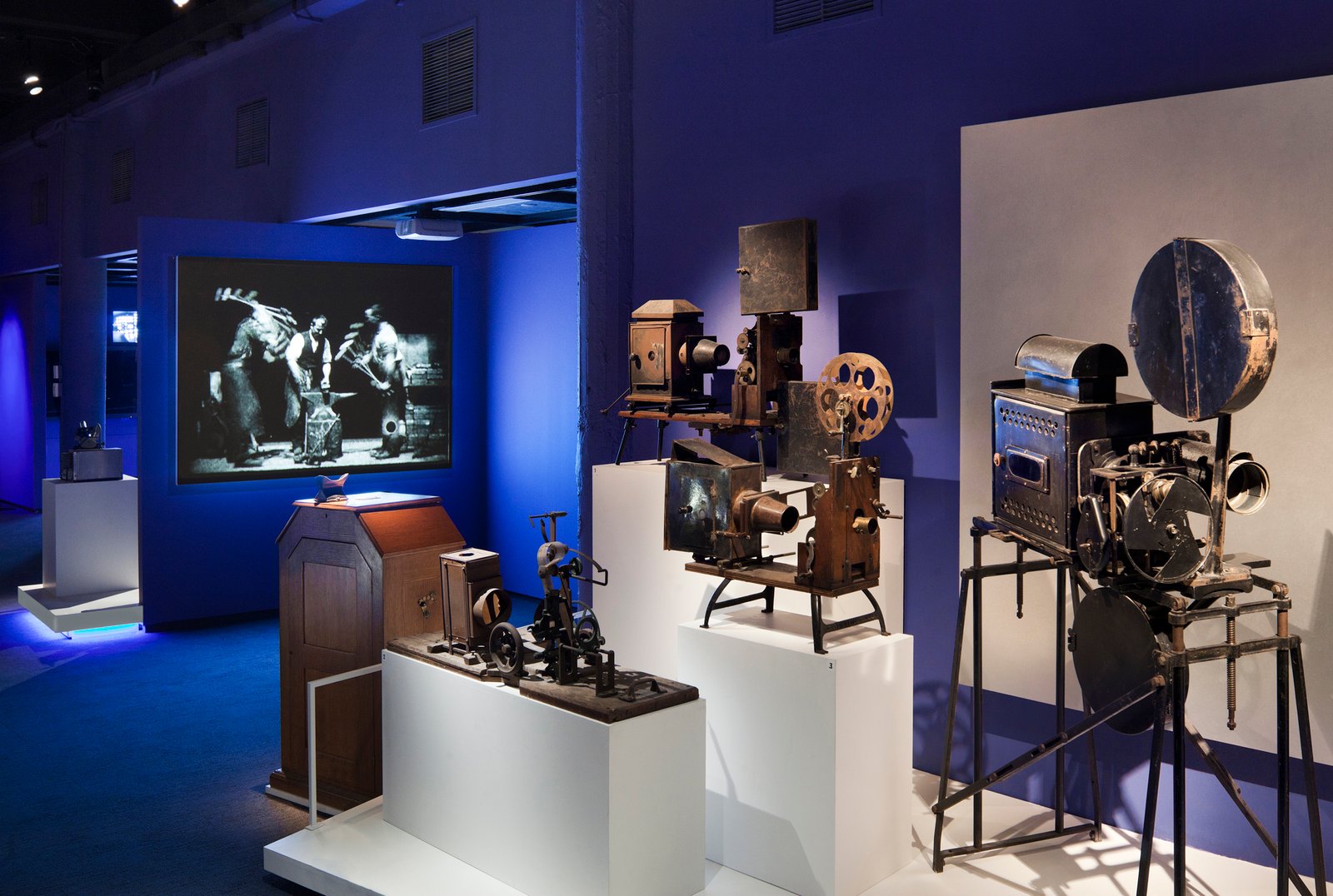
The Museum of the Moving Image is one of the most fascinating cultural destinations for film, television, and digital media enthusiasts. Located in Astoria, Queens, New York, this museum celebrates the art, history, and technology of movies, television shows, and digital media. Visitors to the museum get a chance to explore not just classic films and television programs, but also the technology behind moving images—from early cameras to the latest digital innovations. The museum offers a hands-on experience that makes learning about media fun, interactive, and educational for all ages.
Founded in 1988, the Museum of the Moving Image has become a leading center for exploring the evolving world of media arts. The museum is unique because it doesn’t just display artifacts or film memorabilia; it immerses visitors in the process of creating and understanding moving images. Whether you are a filmmaker, a student, or simply a fan of movies and TV, this museum offers experiences that engage, educate, and inspire creativity.
History of the Museum of the Moving Image
The museum was first established to preserve and showcase the history of film and television. Its collection includes rare film equipment, historic scripts, costumes, and other media artifacts. Over the years, the museum has expanded to include interactive exhibitions that allow visitors to explore how movies and television shows are made. It also emphasizes the cultural and social impact of moving images.
The museum’s location in Queens is significant. New York City has long been a hub for media production, from early television studios to modern digital film companies. By situating the museum in this environment, the institution connects visitors with the vibrant history of American media while also looking forward to the future of film and television.
Exhibitions and Collections
The Museum of the Moving Image has a wide range of permanent and temporary exhibitions. Permanent exhibitions often include:
- Behind the Screen: This exhibit shows how films are made, from pre-production to post-production. Visitors can learn about directing, cinematography, editing, and special effects.
- Interactive Installations: Guests can operate vintage cameras, explore sound editing stations, or even try acting in a green-screen environment.
- Film and Television History: The museum houses extensive collections of classic films, props, costumes, and scripts, allowing visitors to experience the evolution of media over decades.
Temporary exhibitions often focus on specific filmmakers, television series, or media innovations. For example, past exhibitions have highlighted the works of Jim Henson, iconic film scores, and the rise of video games as a form of moving image.
Educational Programs and Workshops
One of the museum’s major strengths is its focus on education. The Museum of the Moving Image offers workshops, lectures, and programs for students, teachers, and media professionals. These programs include:
- Filmmaking Workshops: Students can learn how to write, shoot, and edit short films using modern technology.
- Media Literacy Programs: These help visitors understand the messages conveyed through media and teach critical thinking skills for analyzing films and TV shows.
- Special Screenings and Talks: The museum regularly hosts screenings of classic and contemporary films, followed by discussions with filmmakers, critics, or historians.
These educational programs are designed to engage people of all ages, from schoolchildren to adults pursuing professional development in media arts.
Interactive Experiences
Unlike traditional museums, the Museum of the Moving Image encourages visitors to participate actively. Many exhibits are designed to be hands-on. For example, guests can:
- Try acting in front of a green screen to understand visual effects.
- Edit video clips to see how editing shapes storytelling.
- Experience sound design by mixing music and sound effects for film scenes.
These interactive features make the museum an exciting and memorable experience for visitors. They allow people to explore the technical, creative, and artistic aspects of filmmaking in a practical, engaging way.
Film Screenings and Special Events
The museum is also known for its screenings and film festivals. It regularly showcases:
- Classic and contemporary films.
- Independent and international films.
- Documentaries and experimental media.
Special events include filmmaker talks, Q&A sessions, and retrospectives. These events give visitors the opportunity to interact with industry professionals and gain insights into the filmmaking process.
Architecture and Design of the Museum
The Museum of the Moving Image is housed in a beautifully renovated building that was formerly a television studio. The architecture itself reflects the museum’s mission, combining historic elements with modern design. Its galleries are designed to accommodate both static displays and interactive installations.
The museum also includes theaters, screening rooms, and learning spaces. The theaters allow for intimate screenings, while the larger screening rooms host premieres, film festivals, and educational programs. The design ensures that visitors can enjoy a rich, immersive experience whether they are watching a film, exploring an exhibit, or attending a workshop.
Impact on the Community
The museum has a significant impact on the local and international community. By promoting media literacy and providing educational opportunities, it empowers visitors to understand and create media responsibly. Local schools and community groups benefit from the museum’s programs, which encourage creativity, technical skills, and cultural awareness.
Furthermore, the museum collaborates with other cultural institutions and media organizations. These partnerships help expand its reach and influence, making it an important hub for media education and appreciation.
Visiting the Museum
Planning a visit to the Museum of the Moving Image is easy. The museum is accessible by public transportation and offers facilities for families, students, and tourists. Ticket options include general admission, membership programs, and discounts for students and seniors.
Visitors should allow several hours to explore the exhibits, participate in interactive activities, and attend any scheduled screenings or workshops. Audio guides and museum staff are available to enhance the experience and provide additional insights.
Conclusion
The Museum of the Moving Image is more than just a museum—it is a vibrant center for learning, creativity, and appreciation of the art and science of moving images. It offers a unique combination of historical preservation, educational programs, interactive exhibits, and film screenings. Whether you are a student, a professional, or simply a movie fan, the museum provides a fascinating journey through the world of film, television, and digital media.
By visiting the museum, you can explore the history of moving images, understand the technology behind them, and gain inspiration for your own creative endeavors. Its commitment to education, innovation, and community engagement makes it an essential destination for anyone interested in the world of media.
FAQs
1. Where is the Museum of the Moving Image located?
The museum is located in Astoria, Queens, New York City. Its exact address is 36-01 35th Ave, Queens, NY 11106.
2. What can I see at the museum?
You can explore interactive exhibits, film and television history collections, rare artifacts, and temporary exhibitions focused on filmmakers or media innovations.
3. Are there workshops for kids?
Yes, the museum offers educational programs and workshops for children, teens, and adults. Activities include filmmaking, media literacy, and hands-on experiences with media technology.