Few creatures in the natural world inspire as much awe and admiration as the silverback gorilla. With their commanding presence, deep intelligence, and gentle family bonds, silverbacks represent both power and compassion in perfect balance. These magnificent primates are the protectors and leaders of their groups, known as troops, and play an essential role in maintaining the delicate ecosystems of Central and East Africa.
This article explores the fascinating world of the silverback gorilla, uncovering its habits, habitats, diet, behavior, and significance to both nature and humankind.
What Is a Silverback Gorilla?
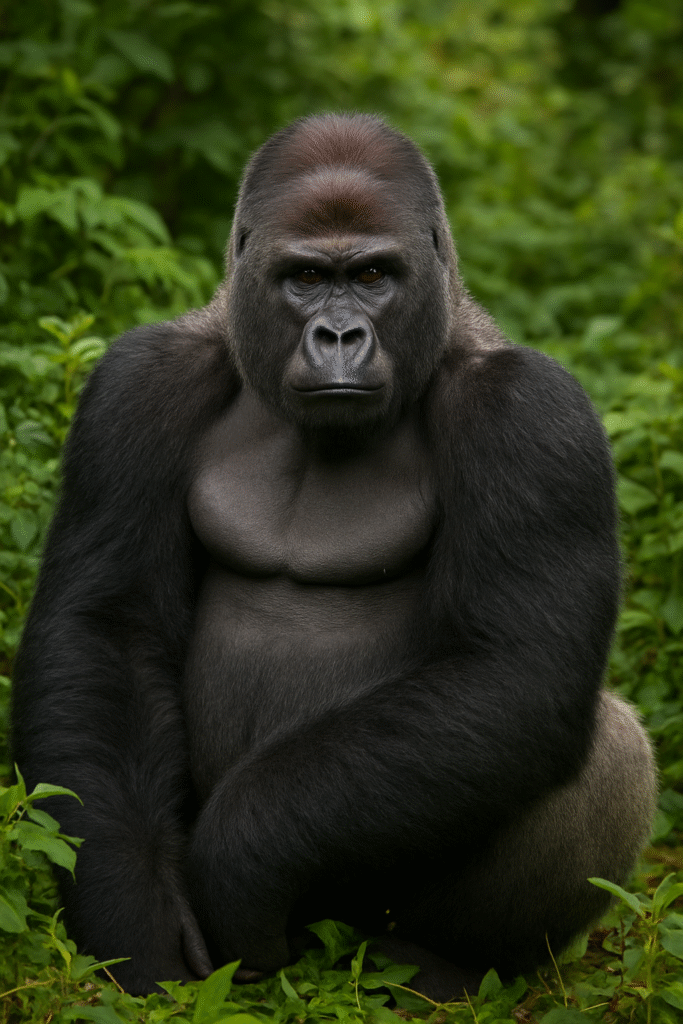
A silverback gorilla is not a separate species but an adult male gorilla, typically over twelve years old, distinguished by a broad patch of silver or gray hair that develops across its back. This striking feature is a symbol of maturity and dominance. The silverback serves as the leader and protector of a gorilla troop, which may include several females, their young, and occasionally younger males known as blackbacks.
Gorillas are divided into two species: the eastern gorilla (Gorilla beringei) and the western gorilla (Gorilla gorilla). Each species has two subspecies. The mountain gorilla, found in the misty highlands of Rwanda, Uganda, and the Democratic Republic of Congo, is perhaps the most famous. The western lowland gorilla, on the other hand, inhabits the dense rainforests of Central Africa.
Physical Characteristics and Strength
A silverback gorilla is an impressive figure. Adult males can stand between five and six feet tall when upright and can weigh from 300 to over 450 pounds. Despite this immense bulk, silverbacks move with surprising grace. Their bodies are covered in thick, dark fur that helps protect them from cold mountain climates and rain-soaked forests.
The most iconic feature, of course, is the silver streak across the back. This silvery fur begins to appear as the male matures, typically between the ages of 12 and 15. It signals his readiness to lead, reproduce, and take on the responsibilities of troop leadership.
In terms of raw power, silverbacks are among the strongest animals on Earth. Estimates suggest that a fully grown male can lift over 1,800 pounds of weight and is roughly ten times stronger than an average human adult. Yet, this immense strength is rarely used in aggression. Silverbacks are generally peaceful and rely on displays and posturing to deter threats rather than physical violence.
Social Structure and Family Bonds
Gorillas are deeply social animals that live in cohesive family groups called troops. A troop typically consists of one dominant silverback, several females, and their offspring. Some troops may have multiple males, but the silverback remains the unquestioned leader.
The silverback’s responsibilities are many. He decides when the group eats, rests, and moves to a new area. He resolves conflicts, mediates disputes, and ensures that all members—especially the young—are safe from predators. His authority comes not from tyranny but from strength, wisdom, and care. In many ways, a silverback behaves like a gentle father figure, often seen grooming or playing with the young.
When a silverback senses danger, he positions himself between the threat and his troop. He may beat his chest, roar, or charge to scare off intruders. These displays are as much psychological as physical, serving to assert dominance without unnecessary violence. It is this balance of power and restraint that makes the silverback one of nature’s most respected leaders.
Communication and Intelligence
Gorillas are remarkably intelligent, capable of using tools, learning sign language, and demonstrating emotions such as joy, sadness, and empathy. Silverbacks, as leaders, rely on a complex system of vocalizations, gestures, and facial expressions to communicate with their troop.
Researchers have identified over 20 distinct vocal sounds, including grunts, barks, and hoots, each carrying different meanings. For example, soft grunts can signal reassurance, while loud hoots or chest beats may warn of danger or assert dominance. Touch and grooming also play important roles in communication, reinforcing social bonds and trust within the group.
Studies of gorillas in captivity, such as the famous Koko, who learned over 1,000 signs, reveal that gorillas possess a deep emotional world. Silverbacks, in particular, display empathy and patience, especially when caring for young gorillas or calming disputes.
Diet and Feeding Habits
Despite their size and strength, silverback gorillas are primarily herbivores. Their diet consists of leaves, shoots, stems, fruits, and occasionally bark or flowers. Mountain gorillas, which live in cooler climates with fewer fruit trees, consume more foliage and bamboo shoots. Western lowland gorillas, found in more tropical environments, enjoy a diet richer in fruit.
A silverback spends much of the day foraging and eating. On average, an adult male can consume up to 40 pounds of vegetation daily. This constant feeding supports their massive bodies and active lifestyles. Because gorillas rarely drink water directly, they obtain most of their hydration from the plants and fruits they eat.
Feeding also serves a social function. The silverback often determines when and where the group feeds, and his presence ensures harmony during mealtime. Young gorillas learn foraging techniques by watching their elders, absorbing skills essential for survival in the wild.
Habitat and Range
Silverback gorillas inhabit the lush tropical forests and mountain ranges of Central and East Africa. Their primary habitats include the Virunga Mountains, which span Rwanda, Uganda, and the Democratic Republic of Congo, as well as the Bwindi Impenetrable Forest and the lowland rainforests of Cameroon, Gabon, and the Republic of Congo.
Each subspecies adapts to its unique environment. Mountain gorillas thrive in cooler, high-altitude forests with thick vegetation and misty conditions. Western lowland gorillas prefer dense, humid lowland forests and swamps. Their adaptability to various habitats shows how finely tuned they are to their ecological niches.
However, these habitats are under constant threat from deforestation, mining, and human encroachment. Habitat loss remains one of the greatest challenges to the long-term survival of silverbacks and their troops.
The Silverback’s Role in the Ecosystem
Silverback gorillas are often called the gardeners of the forest. As they feed and move through their environment, they disperse seeds from the fruits they eat, helping to regenerate vegetation and maintain the balance of the forest ecosystem. This process of natural reforestation benefits countless other species, from insects and birds to larger mammals.
In this way, protecting silverbacks is not only about saving one species but about preserving entire ecosystems that rely on their presence. The health of African rainforests, and even global climate stability, is indirectly linked to the continued survival of these magnificent animals.
Reproduction and Lifecycle
The social and reproductive structure of gorillas revolves around the silverback. Females in the troop usually form strong bonds with him, seeking his protection for themselves and their offspring. A female gorilla typically gives birth to one infant after a gestation period of about eight and a half months.
Newborn gorillas are tiny compared to their parents, weighing only about four pounds. Mothers are the primary caregivers, but silverbacks often show affection and protective behavior toward the young. He may carry infants on his back, groom them, or intervene if they are threatened by predators or aggressive males.
As the young grow, they play and interact constantly, developing social and survival skills. Males begin to mature around the age of eight, at which point they are known as blackbacks. Around age twelve, they start developing the characteristic silver hair that marks their transition into full adulthood.
Threats to Survival
Despite their strength and intelligence, silverback gorillas face serious threats. The most pressing include habitat destruction, poaching, disease, and civil unrest in regions where they live.
Deforestation for agriculture, mining, and logging reduces the available forest area, fragmenting gorilla populations and making it harder for them to find food and mates. Poaching remains a tragic issue, driven by illegal bushmeat trade and the capture of infants for the pet market. Although hunting gorillas is illegal, enforcement in remote areas is difficult.
Disease is another major concern. Gorillas share over 98 percent of their DNA with humans, which makes them vulnerable to human illnesses such as influenza, pneumonia, and even COVID-19. Outbreaks can devastate small populations.
Conservationists and governments have made significant progress through laws, patrols, and community-based programs, but the silverback’s future remains uncertain without continued support and protection.
Conservation Efforts and Hope for the Future
The story of the silverback gorilla is not one of despair but of cautious optimism. Over the past few decades, dedicated conservation efforts have led to remarkable recoveries in some populations. The mountain gorilla, once on the brink of extinction, has seen its numbers rise from fewer than 300 individuals in the 1980s to over 1,000 today.
This success is due to the hard work of conservation groups, local communities, and governments who have created protected areas such as Volcanoes National Park in Rwanda and Bwindi Impenetrable National Park in Uganda. Ecotourism has also played a critical role. Carefully managed gorilla trekking tours provide funds for conservation and economic benefits to local people, creating an incentive to protect rather than exploit the gorillas.
Organizations such as the Dian Fossey Gorilla Fund and the World Wildlife Fund (WWF) continue to monitor populations, combat poaching, and educate communities about the value of gorillas in the ecosystem.
While challenges remain, the resilience of both the gorillas and those who protect them offers hope that these gentle giants will continue to thrive for generations to come.
The Silverback in Human Culture
Throughout history, gorillas have fascinated and inspired humans. The image of the silverback as a symbol of strength, leadership, and protection appears in art, film, and literature across the world. Unfortunately, early encounters with gorillas were often misunderstood, leading to myths that portrayed them as savage beasts. Over time, research and documentaries have transformed this perception, revealing their intelligence, gentleness, and family-oriented nature.
Figures like Dian Fossey helped bridge the gap between fear and understanding, showing the world that gorillas are not monsters but complex, emotional beings deserving of respect and protection.
Today, the silverback gorilla represents not only the majesty of nature but also the deep connection between humans and the wild. Their survival reminds us of our responsibility to care for the planet and its creatures.
Interesting Facts About Silverback Gorillas
-
Silverbacks have unique nose prints, much like human fingerprints, which help researchers identify individuals.
-
They can live up to 40 years in the wild and even longer in protected environments.
-
Chest-beating is not always a sign of aggression; it can also serve as a form of communication, showing excitement or asserting dominance.
-
Gorillas share more than 98 percent of their DNA with humans, making them one of our closest living relatives.
-
Despite their intimidating appearance, they are mostly vegetarian and gentle, preferring peaceful coexistence over conflict.
The Legacy of the Silverback Gorilla
To understand the silverback is to understand the delicate balance of strength and compassion in nature. These leaders of the forest embody wisdom, patience, and the enduring power of family. Every aspect of their lives, from nurturing their young to maintaining peace in their groups, reflects a social structure built on harmony rather than chaos.
The survival of the silverback gorilla is more than a conservation goal—it is a measure of our ability to protect the planet’s biodiversity. Their forests store carbon, regulate climate, and sustain countless other forms of life. In preserving the silverback, we preserve the heart of Africa’s rainforests and the shared heritage of all humankind.
Conclusion: Guardians Worth Protecting
The silverback gorilla stands as one of nature’s greatest testaments to strength tempered by gentleness. They are guardians of their families, caretakers of the forest, and silent partners in maintaining the ecological balance of the Earth. Their presence commands respect, not out of fear, but admiration for their intelligence, empathy, and leadership.
Protecting silverback gorillas means protecting our planet’s future. Through conservation, education, and responsible tourism, each of us can play a role in ensuring that the deep, watchful eyes of the silverback continue to gaze over Africa’s forests for centuries to come.
In the end, the story of the silverback is also our own—a story about family, survival, and the shared bond between all living beings on this remarkable planet we call home.