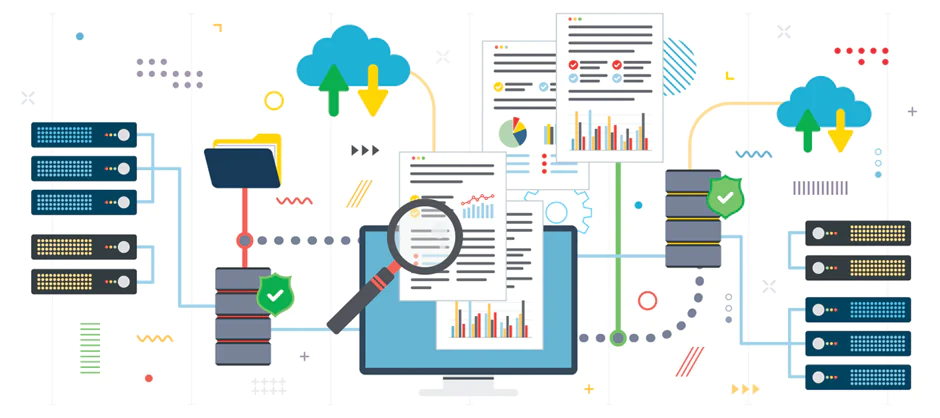
Data is everywhere today. Businesses collect data from apps, websites, and tools. But raw data is messy. It needs to be cleaned and prepared. This is where ETL comes in. ETL means Extract, Transform, and Load. It moves data from one place to another.
Many teams struggle with slow systems and errors. That is why etl process optimization is very important. When your ETL process runs faster and smoother, your whole business works better. Reports load quickly. Dashboards show fresh data. Decisions become smarter. In this guide, I will explain everything in easy words. I will also share simple tips and real examples from my experience working with data teams.
What Is ETL and Why It Matters
ETL stands for Extract, Transform, and Load. First, you extract data from sources like databases or apps. Next, you transform the data by cleaning and organizing it. Finally, you load it into a data warehouse or storage system.
Without proper etl process optimization, this flow can become slow and expensive. For example, I once worked with a small eCommerce company. Their reports took four hours to refresh. After improving their ETL jobs, the refresh time dropped to 30 minutes. That changed how fast their managers made decisions.
ETL is the backbone of data engineering. It supports business intelligence, analytics, and reporting. If ETL fails, everything stops. That is why optimizing it is not optional. It is necessary.
What Is ETL Process Optimization?
ETL process optimization means improving the speed, reliability, and cost of your ETL workflows. The goal is simple. Move data faster. Use fewer resources. Reduce errors.
ETL process optimization focuses on better query design, smart data transformation, and improved data loading performance. It also includes monitoring and tuning ETL pipelines regularly.
Think of it like cleaning your room. If everything is organized, you find things quickly. If not, you waste time. The same idea applies to data pipelines. An optimized ETL system saves time and money while improving data quality.
Common Problems in ETL Workflows
Many teams face similar problems in ETL jobs. Slow queries are very common. Large data volumes can overload systems. Poor indexing can also slow down data extraction.
Another issue is bad transformation logic. Complex scripts can increase processing time. If data validation is weak, errors spread into reports. That reduces trust.
In my experience, most companies ignore performance tuning until something breaks. But fixing issues later costs more. Early etl process optimization prevents these headaches and keeps data pipelines stable.
Key Benefits of ETL Process Optimization
The biggest benefit is speed. Optimized pipelines run faster. Reports update quickly. Teams make better decisions.
Another benefit is lower cost. Efficient data workflows use fewer server resources. That reduces cloud bills. It also lowers storage costs.
Better reliability is also important. With strong etl process optimization, failures decrease. Data quality improves. Business leaders trust reports more. In simple words, optimization saves time, money, and stress.
Improve Data Extraction Performance
Extraction is the first step in ETL. If extraction is slow, the whole process slows down. Start by selecting only the data you need. Avoid pulling extra columns or rows.
Use indexing in databases. Indexed tables respond faster to queries. Also, schedule extraction during low-traffic hours.
Incremental loading is another smart method. Instead of extracting all data every time, pull only new or changed records. This simple step is powerful in etl process optimization. It reduces load and improves speed.
Optimize Data Transformation Logic
Transformation often consumes the most time. Heavy joins and nested queries can slow processing. Try breaking large transformations into smaller steps.
Use set-based operations instead of row-by-row processing. This makes queries faster. Also, clean data early. Remove duplicates and invalid records at the beginning.
In modern data engineering, tools like Apache Spark and cloud platforms help with distributed processing. But even with advanced tools, smart logic is key to successful etl process optimization.
Speed Up Data Loading
Loading data into a warehouse must be efficient. Use bulk loading instead of inserting rows one by one. Bulk operations are much faster.
Partition large tables. Partitioning improves query performance and loading time. Also, disable indexes during large loads, then rebuild them later.
Good loading strategies are a big part of etl process optimization. Fast loading ensures analytics tools receive fresh data quickly.
Use Monitoring and Performance Tuning
Monitoring helps you find issues early. Track ETL job time, error rates, and system usage. Use logs to detect slow steps.
Performance tuning should be regular. Review SQL queries and data models. Remove unused tables. Archive old data.
When teams actively monitor systems, etl process optimization becomes easier. You fix small problems before they grow big.
Role of Automation in ETL Optimization
Automation reduces manual errors. Schedule ETL workflows using tools like Apache Airflow or cloud schedulers. Automated alerts notify teams when jobs fail.
CI/CD pipelines can test ETL scripts before deployment. This improves reliability and trust.
In my projects, automation reduced failure rates by nearly 40 percent. Automation is not just helpful. It is a core part of modern etl process optimization.
Cloud-Based ETL and Modern Tools
Cloud platforms like AWS, Azure, and Google Cloud offer managed ETL services. These services scale automatically. They reduce infrastructure management work.
Cloud data warehouses like Snowflake or BigQuery support high-speed processing. They improve data loading performance and scalability.
Using cloud-native tools often simplifies etl process optimization. You focus more on logic and less on hardware issues.
Real-World Example of ETL Process Optimization
A retail company had daily data delays. Reports were ready at noon instead of 8 AM. After reviewing their workflow, we found full data loads were running daily.
We switched to incremental loads and improved indexing. We also optimized transformations by removing unused columns. The result was amazing.
After proper etl process optimization, their reports were ready before 7 AM. Management gained four extra hours daily for decision-making. Small technical changes created huge business value.
Best Practices for ETL Process Optimization
Start with clear goals. Measure current performance first. Use metrics like job duration and resource usage.
Keep transformation logic simple. Avoid overcomplicated scripts. Use incremental data processing whenever possible.
Document your ETL architecture. Good documentation supports long-term etl process optimization. It helps new team members understand the workflow quickly.
FAQs
1. What is ETL process optimization in simple words?
It means improving ETL workflows to make them faster, cheaper, and more reliable.
2. Why is ETL process optimization important?
It improves data quality, reduces delays, and saves system costs.
3. How often should ETL systems be optimized?
Review performance monthly or when data volume grows.
4. Does cloud computing help ETL optimization?
Yes. Cloud tools offer scalability and better performance management.
5. What are common ETL optimization techniques?
Incremental loading, indexing, partitioning, and query tuning.
6. Can small businesses benefit from ETL optimization?
Yes. Even small data systems improve with simple optimization steps.
Conclusion
Data drives modern businesses. But slow systems block growth. With proper etl process optimization, you unlock faster insights and better decisions.
Start small. Review extraction queries. Simplify transformations. Monitor performance regularly. These simple steps create big results.
If you manage data pipelines, now is the right time to optimize them. Strong ETL systems build strong businesses. Take action today and let your data work smarter for you.