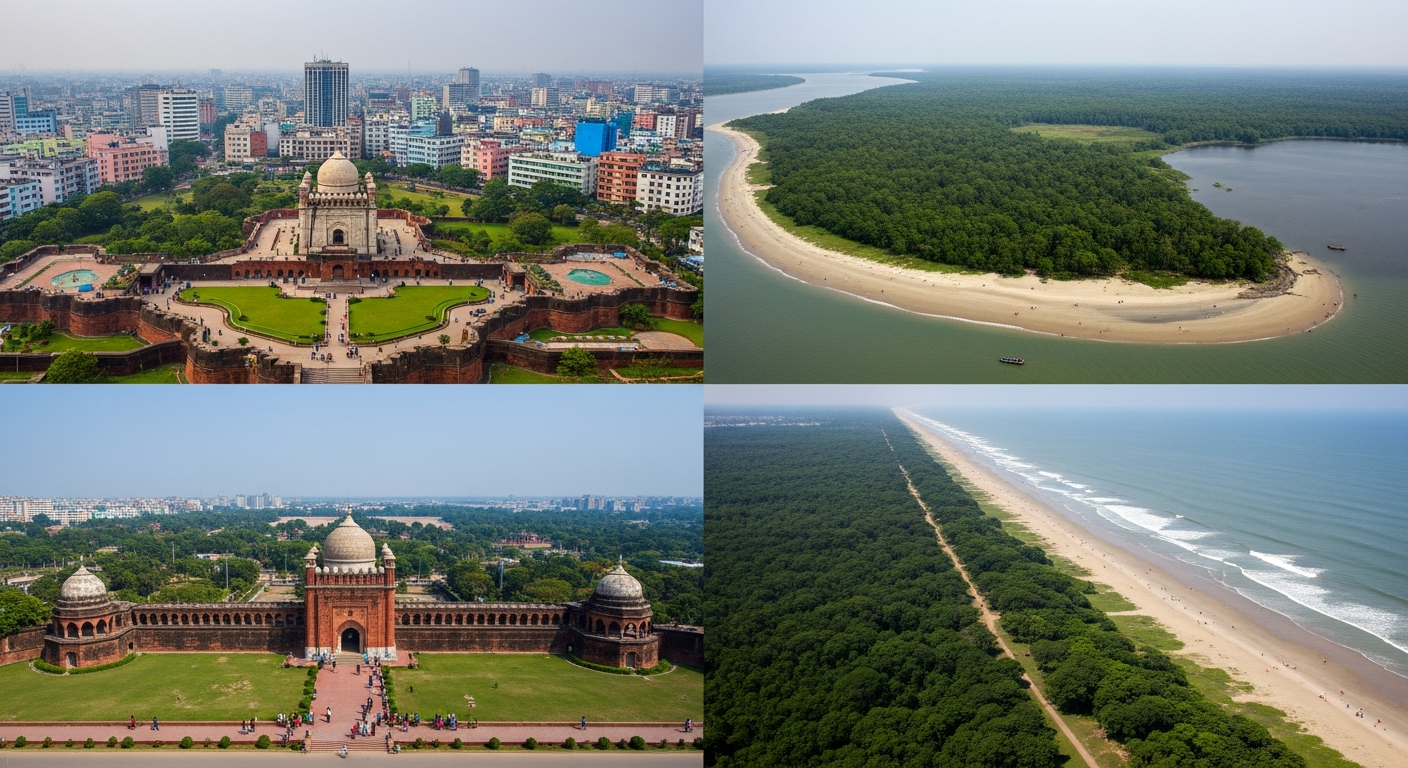
Bangladesh is a vibrant country in South Asia, known for its rich culture, natural beauty, and historical significance. It shares borders with India, Myanmar, and the Bay of Bengal. Despite being a relatively small country in size, Bangladesh is one of the most densely populated countries in the world. The country is famous for its lush green landscapes, rivers, and unique traditions that have been preserved for centuries.
Bangladesh has a diverse culture that reflects a blend of ancient traditions and modern influences. The people are warm and welcoming, known for their hospitality. The country has a rich literary and artistic history, including famous poets, writers, and artists who have contributed to global culture. Bangladesh is also known for its festivals, music, and cuisine, making it a fascinating place for travelers and scholars alike.
Geography and Natural Beauty of Bangladesh
Bangladesh is predominantly a riverine country, with more than 700 rivers flowing through its land. The Ganges, Brahmaputra, and Meghna rivers are the major ones, providing fertile land for agriculture and supporting a rich ecosystem. The country is mostly flat, with some hilly regions in the southeast and northeast.
One of the most famous natural attractions is the Sundarbans, the largest mangrove forest in the world. It is home to the Bengal tiger and many other wildlife species. Another natural wonder is Cox’s Bazar, which has the longest sandy sea beach in the world. The country also has tea gardens in Sylhet, hills in Chittagong, and scenic rivers, making it a paradise for nature lovers.
History and Independence of Bangladesh
Bangladesh has a long and complex history, shaped by various empires and colonial powers. It was part of ancient civilizations like Pundra and Bengal and later came under the rule of the Mughal Empire. During British rule in India, the region played a significant role in trade and culture.
The modern history of Bangladesh is closely linked to its struggle for independence. It was originally part of Pakistan after the partition of India in 1947. However, due to political and cultural differences, Bangladesh fought for independence in 1971. The Bangladesh Liberation War led to the birth of the nation on December 16, 1971, making it a symbol of resilience and courage.
Economy and Industries of Bangladesh
Bangladesh has a rapidly growing economy, known for its textile and garment industries. The ready-made garment (RMG) sector is the largest contributor to its economy and exports products worldwide. Besides textiles, the country produces jute, leather, pharmaceuticals, and food products.
Agriculture also plays a vital role in Bangladesh’s economy. Rice, tea, sugarcane, and vegetables are some of the main crops. The government is investing in technology, infrastructure, and digital innovation to boost economic growth. Despite challenges, Bangladesh has made remarkable progress in reducing poverty and improving education and healthcare.
Culture and Traditions in Bangladesh
The culture of Bangladesh is rich and diverse. Traditional music, dance, and literature are an important part of daily life. Folk songs, classical music, and modern performances are widely appreciated. Bengali literature is famous worldwide, with Nobel laureate Rabindranath Tagore being one of the most celebrated figures.
Festivals are celebrated with great enthusiasm in Bangladesh. The Bengali New Year, called Pohela Boishakh, is one of the biggest events. Religious festivals like Eid, Durga Puja, and Christmas are also celebrated with joy. Traditional clothing, such as sarees for women and panjabis for men, is worn during special occasions.
Food and Cuisine of Bangladesh
Bangladeshi cuisine is flavorful, rich, and diverse. Rice is the main staple, often accompanied by fish, vegetables, and lentils. Fish is especially popular because of the abundance of rivers and water bodies. Hilsa fish is considered a delicacy and is an integral part of traditional meals.
Spices play an important role in Bangladeshi food. Dishes are often prepared with turmeric, cumin, chili, and mustard seeds, creating a distinct taste. Street food is also popular, including snacks like fuchka, chotpoti, and samosas. Sweets such as rasgulla, sandesh, and mishti doi are enjoyed by locals and visitors alike.
Tourism in Bangladesh
Tourism is growing in Bangladesh due to its natural beauty, historical sites, and cultural richness. Popular destinations include the Sundarbans, Cox’s Bazar, Srimangal, and Paharpur. The Lalbagh Fort, Ahsan Manzil, and Bagerhat’s historic mosques are must-visit places for history enthusiasts.
Adventure tourism is also becoming popular. Trekking in the Chittagong Hill Tracts, boating in the rivers, and wildlife tours in the Sundarbans attract nature lovers. Local tourism initiatives are promoting eco-friendly travel, giving visitors a chance to explore Bangladesh responsibly.
Education and Achievements in Bangladesh
Education has improved significantly in Bangladesh over the last few decades. The country has made progress in increasing literacy rates and providing access to education for all children. Primary and secondary education is free, and many universities offer higher education in various fields.
Bangladesh has produced many talented individuals in science, literature, sports, and the arts. Cricket is the most popular sport, with the national team achieving recognition internationally. Innovations in technology, science, and social development show that Bangladesh is emerging as a modern nation with global potential.
Challenges and Future of Bangladesh
Like many developing nations, Bangladesh faces challenges such as population growth, climate change, and infrastructure needs. Flooding and cyclones are common due to its geographical location, requiring strong disaster management systems. Environmental protection and sustainable development are critical for the country’s future.
Despite these challenges, Bangladesh continues to grow and develop. Investments in education, technology, and industry are paving the way for a brighter future. With a strong cultural identity and resilient population, Bangladesh is positioned to become an important country in South Asia and the global community.
Conclusion
Bangladesh is a country full of life, culture, and natural beauty. Its history, people, and traditions make it unique and fascinating. From the bustling cities to serene villages, from rivers to beaches, Bangladesh offers something for everyone. The journey of Bangladesh, from its struggle for independence to modern growth, is inspiring and shows the strength of its people. Exploring Bangladesh means discovering a land of warmth, resilience, and endless opportunities.
FAQs
What is the capital of Bangladesh?
The capital of Bangladesh is Dhaka, which is also the largest city and economic hub of the country.
What language is spoken in Bangladesh?
The official language is Bengali (Bangla), which is widely spoken and used in schools, media, and government.
What are the main tourist attractions in Bangladesh?
Popular attractions include the Sundarbans, Cox’s Bazar, Lalbagh Fort, Ahsan Manzil, and Srimangal’s tea gardens.
What is the main industry in Bangladesh?
The ready-made garment (RMG) industry is the largest sector, contributing significantly to exports and employment.
When did Bangladesh gain independence?
Bangladesh became independent on December 16, 1971, after the Liberation War against Pakistan.