The 2023 psychological-thriller film Strange Darling, written and directed by J.T. Mollner, has garnered attention not only for its bold narrative and striking visual style, but also for its ensemble cast. This article takes a deep dive into the key players of the film—including their roles, backgrounds, and what they bring to this intense, non-linear story.
Overview of the Film and Its Structure
Before diving into cast details it’s helpful to frame the type of film we are looking at. Strange Darling is set in a rural Oregon landscape and unfolds in six chapters presented out of chronological order. It centers on a seemingly one-night stand between a woman and a man that evolves into a dangerous cat-and-mouse game.
With that setting in mind, the cast take on archetypal names like “The Lady” and “The Demon,” giving their characters a mythic or symbolic feel. The film was shot on 35mm film, aiming for a stylised yet raw atmosphere.
1. Willa Fitzgerald as “The Lady”


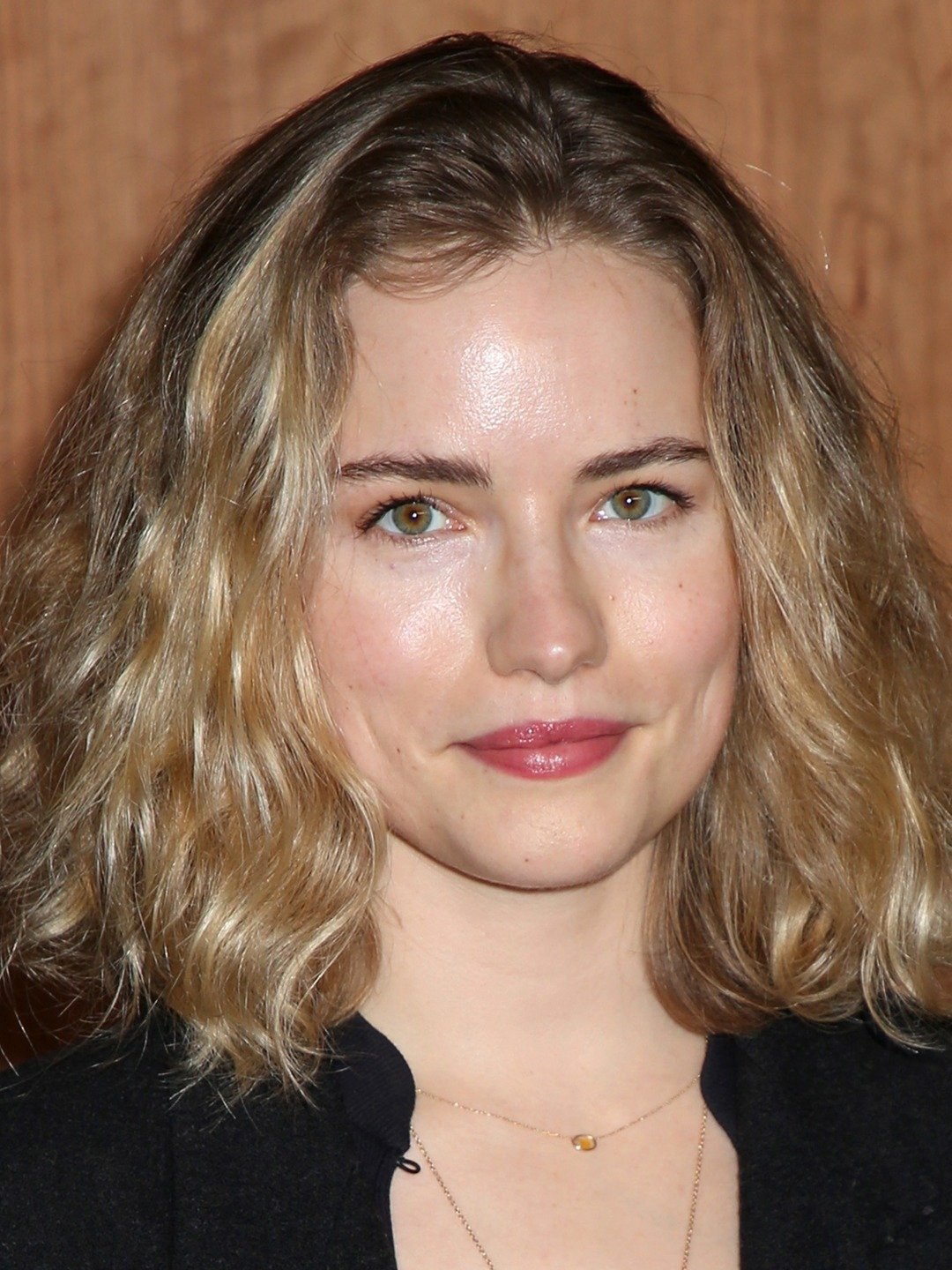
Willa Fitzgerald plays the role credited simply as “The Lady.” IMDb+1 In the film she is the woman who initiates a one-night stand with a man (The Demon) in a motel. She asks a provocative question: “Are you a serial killer?” and from there events spiral into something more twisted.
Fitzgerald brings to this role both vulnerability and menace. Her character appears to be the “prey” but gradually much more is revealed. Her performance has been cited as a standout in reviews. She anchors the narrative, giving the audience someone to identify with even as the film upends expectations.
2. Kyle Gallner as “The Demon”


Kyle Gallner plays “The Demon,” the counterpart to The Lady. IMDb+1 The character’s name alone signals the film’s meta-textual style: he is not simply a man but a presence of menace. The premise places him as someone who may very well become a serial killer, or perhaps is already one.
Gallner’s work here is noted for how he balances charisma and danger. The film asks the audience to sit with ambiguity—just how far is this man complicit, how far is he a victim of what unfolds? Reviews highlight his performance alongside Fitzgerald’s as the film’s emotional and psychological core.
3. Barbara Hershey as Genevieve

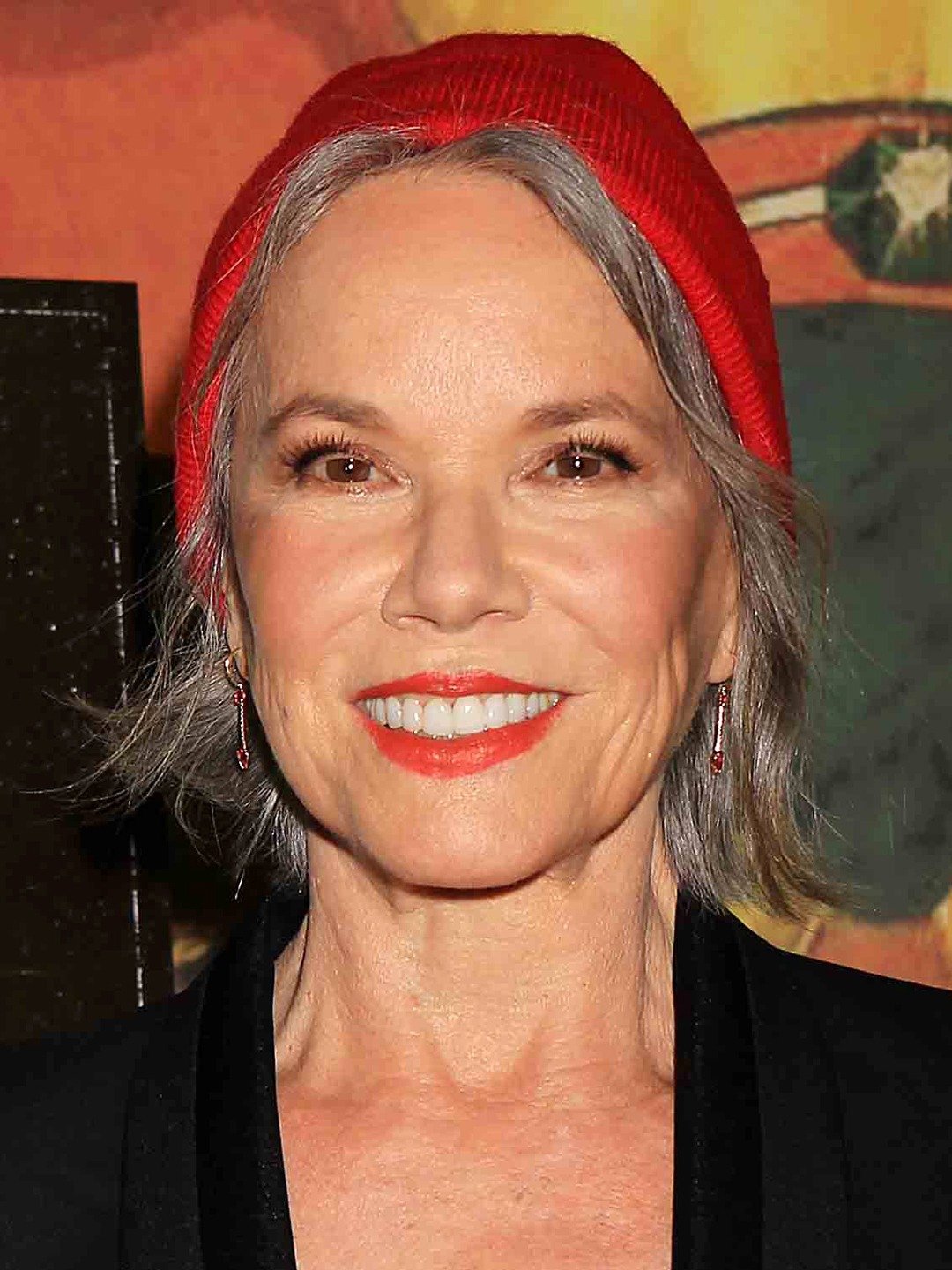
Barbara Hershey appears in the film as “Genevieve.” Although her screen time may be less than the two leads, Hershey’s presence carries weight. With a career spanning decades and a reputation for bringing depth to supporting roles, Hershey helps ground the film’s otherworldly elements in genuine human emotion.
Her character likely provides a critical pivot in the story’s structure, offering a moment of pause or shift that complements the raw tension of The Lady and The Demon’s encounters. It is often such performances that lift genre films into something memorable.
4. Ed Begley Jr. as Frederick

Ed Begley Jr is cast as “Frederick.” Rotten Tomatoes+1 Known for his versatility and strong character work, Begley brings experience that can anchor the film’s more extreme or experimental moments.
In a story structured out of line and built on tension and uncertainty, a character like Frederick can serve as a touchstone—someone the audience recognizes and trusts, even if only for a moment. Begley’s distinguished screen presence suggests his role may serve to unbalance or reframe what the viewer thought they knew.
5. Madisen Beaty as Gale

Madisen Beaty is credited as “Gale.” Her role may be smaller in screen time compared to the leads, yet such characters often play essential parts in a film’s emotional architecture—perhaps as friends, witnesses, or as deviations from the central cat-and-mouse dynamic.
It is worth noting how a film with minimal named characters (The Lady, The Demon) uses more traditionally named characters like Gale to shift tone or perspective. Beaty’s inclusion enriches the cast with another dimension of youth and secondary viewpoint.
6. Additional Supporting Cast
Beyond the actors above the ensemble expands to include:
-
Bianca A. Santos as Tanya.
-
Steven Michael Quezada as Pete.
-
Denise Grayson as Libby.
-
Eugenia Kuzmina as Beth.
-
Various other actors fill in smaller roles and cameos including Giovanni Ribisi, who also served as cinematographer and producer.
These supporting players contribute to the world around the two leads, fleshing out the narrative and providing context, contrast, or complication.
Casting Choices and Their Significance
What is interesting about the cast of Strange Darling is how the filmmakers mix rising talent with seasoned actors. Willa Fitzgerald and Kyle Gallner are in moments of career evolution. Meanwhile Barbara Hershey and Ed Begley Jr bring decades of experience and a gravitas that elevates the film beyond a straightforward thriller.
The use of archetypal character names (The Lady, The Demon) gives the film more of a mythic quality. It allows the actors to play more than just specific individuals—they embody states of being: predator and prey, hunter and hunted, desire and danger. By pairing that with fully named characters in the supporting cast, the film makes a deliberate choice: some figures feel symbolic, others feel rooted in everyday reality.
The fact that Giovanni Ribisi both produced and served as cinematographer underscores how tightly crafted the production was. That dual role may have influenced casting, pushing for actors comfortable with risk, fluid structure, and visual style.
Performance Highlights & Critical Reception
The film has been praised for its performances. Critics especially point to Fitzgerald and Gallner as standout leads. On Rotten Tomatoes the consensus praises their “breakout performances.” Rotten Tomatoes
Willa Fitzgerald, in particular, has been singled out for her transformation and the intensity she brings to The Lady. A recent feature noted how she altered her physical appearance for the role and embraced a far darker, more challenging character than many had seen her perform. Vanity Fair
Kyle Gallner’s work, while perhaps less noted in individual pieces, serves the film’s structure and tone strongly—he matches Fitzgerald in intensity and gives the audience someone simultaneously magnetic and dangerous.
In the supporting cast Barbara Hershey and Ed Begley Jr add layers. Hershey’s brief appearance becomes impactful; Begley anchors key moments. Their inclusion supports the idea that even genre films benefit from strong casting beyond the leads.
What This Cast Brings to the Story
Because Strange Darling is structured in a non-linear way and deliberately plays with viewer expectations, the cast’s job is not only to portray characters but to hold ambiguity, to shift the viewer’s perception over time, to make you question what you saw earlier.
For example: The Lady begins as victim, but gradually may be revealed to have agency. The Demon begins as charming, then suspect. The audience’s allegiance may change. The supporting cast help frame those shifts—they serve as mirrors, foils, or red herrings.
In this way the casting supports the film’s themes of manipulation, desire, fear, and identity. Because the names are minimal (The Lady, The Demon) the actors are not just playing characters but playing ideas. That demands performances that are bold, clear, yet layered.
Behind the Scenes: How the Cast Came Together
While the film’s focus in press has mostly been on its style and direction, some context around the casting process is illuminating. Director J.T. Mollner wrote the script in 2021 and filmed in 2022 in Oregon in only 32 days. Wikipedia+1
In an interview, Willa Fitzgerald commented on working with Giovanni Ribisi as cinematographer: his dual role made the set an intense, collaborative space.
Because the production was lean and stylised (shot on 35 mm film), the actors had to commit to something more demanding than standard thrillers: long takes, minimal dialogue in some scenes, gestures and presence doing much of the work. This accentuates the casting choice of actors who are comfortable with risk and with shifting tone.
Why Each Major Cast Member Matters
-
Willa Fitzgerald: Central to the film’s emotional impact. Her portrayal of The Lady anchors the story’s ambiguity and makes the audience invest in a character whose motivations evolve.
-
Kyle Gallner: His role as The Demon is the perfect foil. Charismatic, dangerous, unsettling. He provides the conflict and momentum.
-
Barbara Hershey: Though in a supporting role, she brings recognition and depth. Her presence elevates the film’s stakes and provides a stabilising point of gravitas.
-
Ed Begley Jr.: Another veteran who in fewer minutes still makes an impact. His experience helps subtext and nuance shine through.
-
Madisen Beaty: Represents the younger generation in the cast and brings a contrast to the intense leads.
-
Supporting actors: The ensemble around the core leads matters a great deal in a film structured on tension, character, mystery. They flesh out the world and raise questions.
The Cast’s Role in the Film’s Reception and Legacy
The casting has helped Strange Darling receive positive critical response. The familiarity of some cast members (Hershey, Begley) helps draw in an audience, while the freshness of the leads (Fitzgerald, Gallner) helps give the film energy.
The fact that the primary characters go by archetypal names (The Lady, The Demon) means that the actors’ performances must encompass more than just character—they must embody tone, theme, genre. That the cast manages this contributes to the film standing out amid its genre peers.
In future discussions of the film—whether in horror/thriller fandom, film studies, or among cinephiles—the casting will likely be cited as part of what makes the film memorable: an ensemble committed to a creepy, stylish, provocative ride.
Closing Thoughts
When you watch Strange Darling you are watching more than a thriller. You are watching a carefully calibrated piece of filmmaking where every actor, every role, every name matters. The casting is not ancillary—it is intrinsic to the film’s tone, its structure, its worst-worst underlying suspension of what is real and what is performance.
The interplay between the major cast members—the leads who dominate screen time and the supporting cast who weave the world around them—illuminates how this film seeks to disorient, challenge, and engage. In cinema today, where so many thrillers rely on formula, Strange Darling stands out in part because of the courage of its cast—and the clarity of what they are trying to do.
For fans of psychological thrillers, the cast of Strange Darling offers performances worth watching and re-watching. Their work invites you in, unsettles you, and leaves its mark.